

Electrical Wire and Cable: A Primer
9th Jan 2020
Selecting the right electrical wire or cable for any job is important in any industry. In the electrical industry, where the transfer of energy is a matter of utmost concern to any organization, this is even more so the case. Throw in the fact that there are intense regulations regarding how electrical wiring must be installed and operate in order to meet various codes along with the inherent risk of working with live wires makes this even more imperative. Over time, specialized applications have led to the creation and development of various different grades and classes of electrical wire and cable for very specific uses and environments. Each has locations in which they must be installed pursuant to regulation or even in order to realize the benefit of the equipment. It’s equally necessary to source your electrical equipment from a supplier that offers a product of the highest quality and stands fully behind its products. That supplier is EWCS Wire, where you will find a staunch commitment to quality and to the customer. Orders ship fast and satisfaction is guaranteed, and that’s not even to mention that the specialists at EWCS Wire understand their business.
Then again, there are so many different applications for electrical wire and cable it can be tough to categorize the different types. Each type of wire or cable has certain attributes that make it best suited to a certain number of conditions or to meet the regulations of a certain industry or environment. You’ll want to know the different classes and specifications of electrical wire in order to understand the reason for the regulation surrounding a project. It’s also critical to understand the regulations and ensure that you are picking quality wire from a reputable supplier. Here are some of the different classes of wire and cable you will encounter at EWCS Wire.
Aluminum Cables
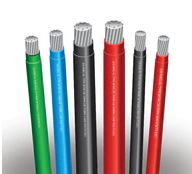
One of the classes of cables you will find available at EWCS Wire is aluminum cable, and there are certain situations where it is found. Generally, aluminum is an interesting material for use as a conductor in electrical applications. Aluminum as a material has several advantages over copper (although that does not necessarily mean that aluminum should supplant copper as a wiring material). First off, aluminum has significant advantages over copper in terms of conductivity. Aluminum has twice the conductivity of copper by weight, which means that electricity can flow through aluminum wires or cables with greater ease. Additionally, copper is significantly heavier than aluminum and can be more expensive. Therefore there are times and situations where aluminum cables are preferred to copper. Moreover, aluminum has traits that sometimes make it easier to work and bend than copper cables and wires. Being lighter and somewhat more pliable gives aluminum the ability to be worked and pulled more easily.
You may then have wondered why there isn’t more aluminum wiring in the world if it has advantages over copper. Aluminum has historically been very rare and difficult to produce. When electricity became widespread and mainstream it was the easiest material to use as a conductor, which has largely caused its expansiveness. Aluminum also necessitates the use of very specific connections in order to be effective and safe, particularly to minimize the risk of overheating or fire. Considering the conditions or codes where you will be working, there may be additional restrictions or proscriptions in addition to the NEC that require you to use or forbid your use of aluminum cables. Either way, if you need to find aluminum cables, you will find them aplenty at EWCS Wire. EWCS Wire offers the aluminum building wire and aluminum triplex and quadruplex wires you might need for your projects.
Instrumentation and Electronic Cables
Consider the necessity of a fire alarm or a security system to a residence or a business. It is not just a function of law, because these systems need to be maintained and ensured to be operational at all times, it is a function of safety. A building wherein the fire alarms are not wired properly or for any reason are not operational is a patent and unacceptable risk. The same could be said about security system wiring and other alarm systems.
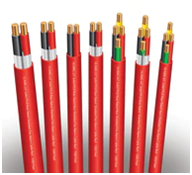
An institution wherein the alarms and other systems have been compromised in terms of their operation is unsafe and ineffective. If the alarm systems don’t operate properly there’s that much more likely to be wrong elsewhere on top of the fact that it’s illegal not to meet codes. Fire alarms are only one portion of the greater whole of monitoring, however, and multiple facets of safety are hinged on the proper supervision of processes.
Instrumentation and electronic cables provide for the effective operation and safe monitoring of vital systems such as these. They only carry low voltages but they are absolutely critical for the practical monitoring of systems in a plant or other large operation make it possible. You’ll be able to easily find instrumentation and electronic cables for many needs and uses right here at EWCS Wire. The fire alarm cables you’ll find here at EWCS are either riser or plenum rated and will keep your system’s circuits and signals running. You’ll also be able to find CMR and CMP riser and plenum rated security and alarm cables to ensure success. Whatever and however expansive your needs are for audio and systems control and monitoring, your success is guaranteed when you find the right wires or cables for your use at EWCS Wire.
Copper Cables
EWCS Wire also offers many lines of copper wires and cables. Their offerings are as diverse as the uses for copper cables, and they offer bare copper, copper building wire, power cables, armored cables, pump cables tray cables and more. Regardless of the use of the wire, you’re probably familiar with the use of copper as a conductor, and it is probably the most widely utilized conductor for many electrical applications.
The first benefit of copper is its effectiveness as a conductor. Though aluminum has previously been mentioned to be a better conductor, copper is still an excellent conductor and outperforms almost all other metals in the transport of electricity. It also takes a huge amount of heat to melt copper. Because it is such an efficient conductor it is easy for copper to conduct electricity without overheating, and even then it takes a vast amount of energy to cause it to overheat. That makes copper not only effective for its purposes in transporting energy but makes it a safe alternative to other conductors that either overheat too easily or don’t conduct as well or both.
Copper has been widespread and easily accessible for a long time, certainly long before its utility as a conductor became apparent. Its easy accessibility meant that when it was determined to be a good conductor after the discovery of electricity meant it could be easily and effectively implemented at a relatively low cost. As a result of its accessibility and relatively low cost, especially when compared with precious metals, it was a happy accident that copper became so widespread in electrical applications.
Across the spectrum, copper has its advantages as wire or cable and that’s why you’ll find copper electrical wire and cable for so many different uses at EWCS Wire. Even as well apparelled as they are to handle your needs for copper wire or cables if you have questions contact their team at sales@ewcswire.com to see what they can offer you.
Marine Cable
What environment could be less forgiving than a marine environment aboard a ship? Even onboard the ship the structure and everything contained therein are subject to constantly shifting forces and changing temperatures and humidity. Even in the calmest of seas, everything on a ship is constantly being stressed and tested. Physically and chemically, the conditions aboard a ship or a boat are in a constant state of flux and subject all their contents to serious trials.
Now consider electrical wiring, which depends on chemical makeup and stability to be not only efficient but operational whatsoever. The wiring in a shipped will be stretched and pulled around the tightest corners and into the closest spaces where it will be constantly subject to vibration and other stressors, along with changing humidity and temperature.
That doesn’t account for the pervasive corrosiveness of the marine environment. Salt spray and saltwater can put rust on most stainless steel, let alone the high reactivity of copper. As a result of these stressors and forces acting upon marine wire and cable, there are a few attributes that make marine-grade cable and wire better suited to handle life at sea. Where many other types of electrical wiring and cables would simply not stand up to the corrosion and constant vibration of marine environments, marine cable has a few safeguards built-in.
The first is that marine cables tend to be very narrow and possess a fairly high degree of flexibility which makes them better suited to the corners they will have to navigate as well as the fact that boats and ships are constantly bouncing around and vibrating. Additionally, marine cables and wires are individually tinned to help prevent the influence of the corrosive agents that are every present at sea. It doesn’t stop these things, but it does give marine wires a fighting chance where other copper wires would be patinated green within a day. As with everything at EWCS Wire, the marine cables and wires you will find there are of the highest quality and can be purchased in lengths that suit your needs.
Welding Cables
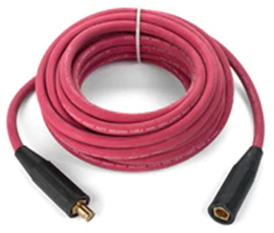
Although not necessarily akin to the marine environment, the industrial environments wherein a welding cable is going to be used can be extremely harsh and unforgiving. Welding cables will be at work in industrial settings where they will be subject to extremes of temperature, along with abrasion and burning. There is also the likelihood that they will be subject to oil or water or even corrosives that can weaken the cable or make it dangerous to use.
Welding cables need to carry a large amount of energy in order to operate effectively which means they must not only be extremely tough and durable to operate as intended but also to be safe. Weak cables that would be suspect to normal wear and tear simply wouldn’t be able to handle the rigors to which most welding cables are subject.
The other side of the coin is that while welding cables must be able to tolerate massive amounts of abuse, they also need to maintain a large degree of flexibility. They will follow welders in all environments and around all types of workspaces, and a welder does no good if it can’t even reach the material to be welded. At EWCS Wire, you’ll be able to easily find the welding cables you need for your jobs in gauges ranging from 4/0 to 6 gauge and rated to 600 volts. They are oil and gasoline resistant and rated from -50C to 105C. Their welding cables are extremely tough and highly flexible.
Find Them Here At EWCS Wire
It doesn’t matter whether you need aluminum building wire, welding cable or marine-grade cable. You can find electrical wire and cables for many uses here at EWCSWire.com. The customer service you will find at EWCS Wire is of the highest caliber and representatives are always willing to help answer your questions and point you in the direction of the equipment you need. Simply give them a call or at 800-262-1598 or contact them at sales@ewcswire.com. You can even chat with a representative right here on their site to answer some of your questions.
Moreover, their products are satisfaction guaranteed and they ship fast too. If you are not satisfied with your order EWCS Wire accepts returns of standard items if for any reason they do not arrive as specified. Contact them today and see how they can help outfit you for your next project.
Sources:
N/A “Control And Instrumentation Cable Information.” Engineering 360. Retrieved December 9th, 2019 from https://www.globalspec.com/learnmore/electrical_e...
N/A “Technical Information On Electrical Aluminum.” The Aluminum Association. 2019. Retrieved December 9th, 2019 from https://www.aluminum.org/resources/electrical-faq...
N/A “What Is Copper Cable?” Core Cabling. Retrieved December 9th, 2019 from https://corecabling.com/what-is-copper-cable/
N/A “What Is Welding Cable?” TEMCo Industrial. Retrieved December 9th, 2019 from https://temcoindustrial.com/product-guides/wire-c...