


Flexible Welding Cable FAQs
24th Oct 2026
One of the types of specialized electrical cable we sell here at EWCS Wire is welding cable, often referred to as “flexible welding cable”. But why is this the case, what it is used for, and what else should you know about it? We’ll cover some of the main things right here.
Why Is It Marketed As Flexible Welding Cable?
Welding cable for sale is often marketed as flexible welding cable specifically because it is made with a high conductor strand count to keep it as flexible as possible. There are no tricks here.
Now, if your question becomes “Why does welding cable need to be so flexible in the first place?” then that becomes a different story.
Welding cable must be flexible because the workpiece being welded, especially on outside job sites like construction sites, is large, heavy, and immobile. You often can’t move the workpiece, which means you need to be able to move the welding equipment to get to it. This in turn requires flexible welding cable.
Flexible welding cable shares this in common with battery wire, especially marine battery wire, which is also made with a high conductor strand count so as to keep it flexible enough to navigate the tight recesses of boat battery compartments, as well as to render it able to establish and maintain good connections at the battery terminals.
What Other Conditions and Influences Should Welding Cable Be Able to Withstand?
Outdoor jobsites, especially construction sites, can subject electrical equipment like welding equipment to pretty serious adverse conditions.
Some conditions and chemicals that welding cable might come into contact with include but are not limited to:
- Oil
- Gasoline
- Caustic agents
- Acids
- Alkalis
- Moisture
- Direct sunlight exposure
- And much more
In addition to this, welding cable will also be subject to precipitation if it is used outside, as well as wide swings in temperature.
This requires that welding cable be not just flexible, but also chemically resilient. On top of that, welding cable should be physically abrasion resistant to make it more durable and longer lasting.
What Is AWG and Why Does It Matter Here?
AWG stands for American Wire Gauge and is an inverse scale for measuring the diameter of a wire. The higher the AWG, the thinner the wire, and the lower the AWG, the thicker the wire.
This matters because the thicker a wire, the more mass it contains, and therefore the more voltage and ampacity it can handle. Voltage rating should tell you what you need to know, but the bottom line is larger wire can tolerate higher voltages and currents.
What AWG you need should be determined by the type of welding you’re performing as well as the requirements of your specific application.
How Should Welding Cable Be Stored?
Welding cables should be stored near enough to your welding equipment that they are easy enough to locate when you need them, but you should also take care to store all of your equipment in a location where it will not be damaged.
Like other electrical equipment, if possible, you should store your flexible welding cable away from direct sunlight and in a cool, dry location where it will not be subject to wide swings in temperature or humidity.
Welding cable should also be stored loosely coiled on a hook or cart, or in a cabinet. Loose coils will help prevent twists in the cable, but will help keep it organized that it is easy to retrieve when needed.
A good solution is to keep the cable coiled on a welding cart with your other welding equipment, but if you don’t have one you can keep the cable on a cable reel or store it on hooks or pegs on a wall in a closet dedicated to the equipment.
Once you have the cable coiled, use Velcro straps or some other type of retainer to secure the cables, and clip the clamps onto the cart edge (or to the straps) to prevent them from dangling.
Also, inspect your welding cable before you use it to ensure that it is in good shape.
Can Welding Cable Be Used for Other Electrical Applications and Installations?
That depends on the condition and rating of the welding cable, but many welding cables can be used for other electrical applications and installations including:
- Leads for motors
- Leads for batteries
- Leads for generators
- As inverter cable
- As solar panel cable
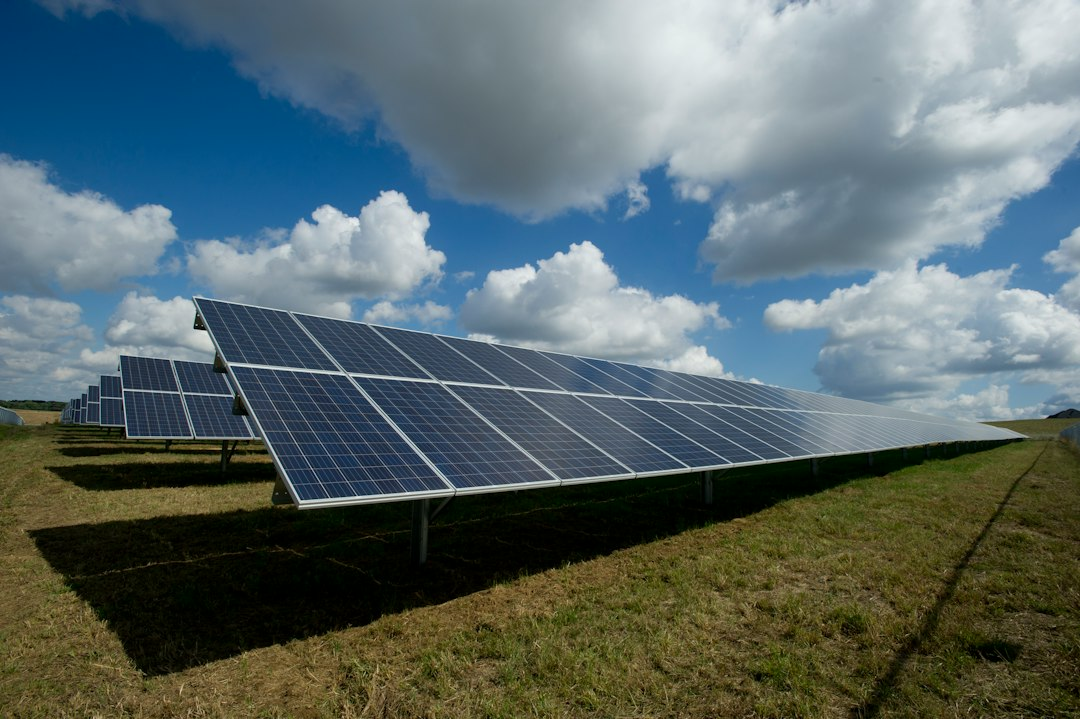
These are just a few of the other things that our flexible welding cable can be used for. If you have other questions about its suitability as an electrical cable, get in touch with us and let us know. We’ll help answer any questions you have.
What Is Welding Cable Insulated with?
Our flexible welding cable for sale is insulated with EPDM rubber, which is a highly durable synthetic rubber that offers a lot of desirable properties making it effective as an electrical insulator.
EPDM is notable for its remarkable resilience to weathering, temperature and UV exposure (which is why these cables are useful as welding as well as solar panel cable). It can also be resistant to mild acids and some chemicals, though it’s not particularly resistant to oil and gas.
With proper care, EPDM insulation can last 20 or 30 years, potentially even longer if it is not subjected to extreme conditions.
Here for Flexible Welding Cable?
Flexible welding cable is only one of the many types of specialty electrical wire and cable that we sell here at EWCS Wire. We also carry fire alarm cable and other instrumentation and alarm cable, solar panel cable, armored cable, tray cable, DLO cable, submersible pump cable, battery wire, and a wide range of aluminum wire, including but not limited to triplex and quadruplex wire.